
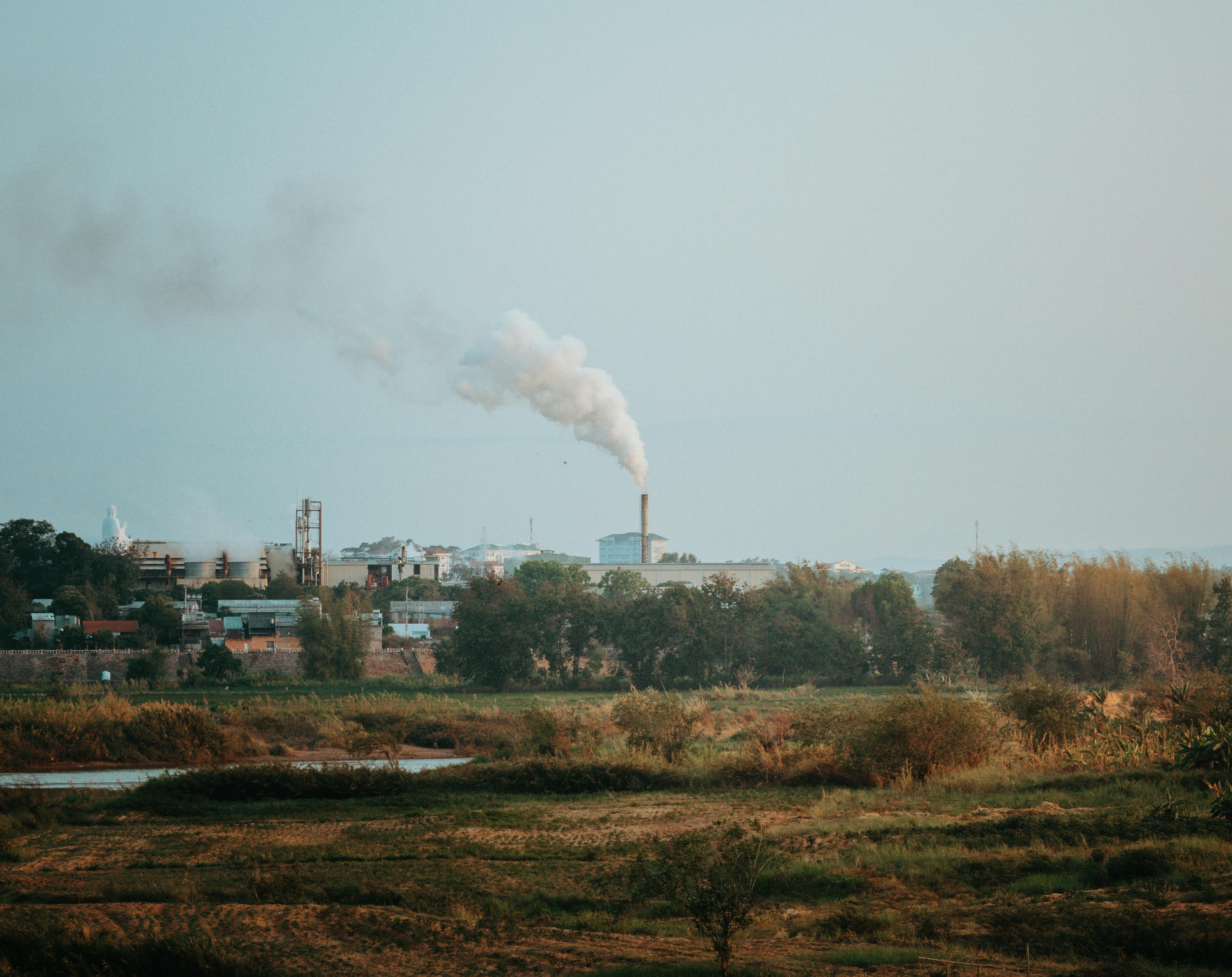
As Gurgaon cements its position as one of India’s leading urban and economic hubs, a new challenge threatens its long-term real estate stability — air pollution. Once celebrated for its modern skyline and infrastructure, Gurgaon today ranks among the most polluted cities in the world during peak winter months.
While the city continues to attract high-value real estate investments, rising pollution levels have started influencing buyer preferences, property valuations, and urban development patterns. The result is a shifting landscape where environmental health is becoming a critical factor in real estate decisions.
Air Pollution: The Unseen Real Estate Risk
Over the last few years, Gurgaon has experienced hazardous AQI levels, especially during winter when smog from Delhi NCR engulfs the city. This deterioration in air quality is now creating tangible effects on the real estate market, particularly in:
- Buyer Sentiment: Families and professionals are increasingly prioritizing clean air, green cover, and ventilation when selecting properties.
- Demand Shifts: Areas with better air quality and open spaces — especially along the Dwarka Expressway and New Gurgaon sectors (85–95) — are witnessing higher demand.
- Corporate Leasing: Global firms are factoring environmental quality into office space selection for employee well-being.
- Tourism and Hospitality: Short-term rental and hotel bookings dip during peak smog months, affecting ROI for property investors.
Air pollution, once viewed as a regional issue, has now become a key determinant of real estate value and livability.
Residential Real Estate: Shifting Buyer Preferences
In Gurgaon’s residential market, pollution has sparked a noticeable behavioral shift among homebuyers.
- Preference for Green Projects: Buyers are gravitating toward developments that offer dense greenery, air purification systems, and eco-friendly construction.
- Gated Communities with Clean Air Technology: Builders are installing centralized air filtration systems in clubhouses and common areas to attract health-conscious buyers.
- Location Matters More Than Ever: Peripheral sectors with lower traffic density and proximity to green belts — such as Sectors 102–113 and Golf Course Extension Road — are now considered premium.
- Demand for Airy Layouts: Apartments with large balconies, open spaces, and cross-ventilation are in greater demand than compact high-rises.
These trends highlight how air quality has evolved from a health concern to a real estate valuation factor.
Commercial Real Estate: Corporate Wellness Takes Priority
Corporates, especially multinationals, are increasingly concerned about employee health, productivity, and sustainability compliance. Pollution levels now play a role in leasing and relocation decisions.
Key developments include:
- Indoor Air Management Systems: Premium office spaces are installing HEPA filtration and oxygenation systems.
- Green Building Certifications: LEED and IGBC-certified offices see higher occupancy rates and rental premiums of 5–7%.
- Corporate Relocation: Some firms prefer satellite offices in cleaner, less congested Gurgaon sectors rather than central Delhi.
- Hybrid Work Support: Air quality concerns have indirectly reinforced hybrid and remote work policies, reducing demand for large traditional office spaces.
As sustainability reporting becomes mandatory for global corporations, Gurgaon’s eco-compliant buildings are becoming prime assets for long-term leasing.
Impact on Property Values and Market Dynamics
Pollution affects not just perception but also pricing and investment momentum:
- Stagnant Prices in Dense Zones: Central Gurgaon sectors with heavy traffic and limited greenery (e.g., MG Road, Udyog Vihar) are witnessing slower price growth.
- Premium for Clean-Air Localities: Projects along the Dwarka Expressway and SPR (Southern Peripheral Road) command 10–15% higher valuations.
- Increased Cost of Maintenance: Developers now invest more in air filtration, green landscaping, and façade design — costs that may translate into slightly higher sale prices.
- Long-Term Investment Risk: Persistent air pollution could potentially affect long-term investor confidence if unaddressed by local governance.
This dynamic makes environmental management not just a civic issue but a market stability concern.
Developer Response: Green and Sustainable Design
Forward-thinking developers in Gurgaon are taking proactive steps to combat pollution and improve urban livability:
- Vertical Gardens and Air-Purifying Plants in façades and common areas.
- Rainwater harvesting and solar integration to reduce environmental load.
- Smart ventilation systems designed to circulate cleaner air within buildings.
- Reduced vehicular zones inside residential complexes to cut emissions.
Projects that adopt these strategies not only mitigate the impact of pollution but also appeal to a growing segment of health-conscious buyers and investors.
Policy and Infrastructure Interventions
Government and local authorities are also beginning to recognize the interconnection between pollution control and real estate growth:
- Gurugram Metropolitan Development Authority (GMDA) is expanding green corridors and enforcing waste management rules.
- Electric Vehicle Infrastructure: Charging stations are being integrated into new commercial and residential developments.
- Dust Control Regulations: Strict norms for construction site air pollution are now mandatory under Haryana’s urban policy framework.
- Public Green Spaces: Plans to enhance the Aravalli Biodiversity Park and develop new eco-zones are underway.
If implemented effectively, these steps can make Gurgaon’s property market more resilient and environmentally sustainable.
The Way Forward
Addressing air pollution is now essential for Gurgaon’s economic and real estate future. Developers, investors, and policymakers must align to ensure:
- Sustainable urban planning and stricter emission norms.
- Expansion of urban green cover.
- Incentives for eco-friendly construction and EV adoption.
- Real-time air quality monitoring within residential clusters.
The success of Gurgaon’s next growth phase depends on how effectively the city balances economic ambition with environmental accountability.
Conclusion
Pollution is no longer an abstract threat — it’s a real estate influencer reshaping buyer decisions, developer strategies, and investor sentiment in Gurgaon.
While the challenges are significant, they also present a unique opportunity: to reimagine Gurgaon as a clean, green, and sustainable real estate powerhouse.
As awareness and innovation grow, the city can turn its greatest challenge into its next growth driver — ensuring that healthy living and urban prosperity go hand in hand.



Join The Discussion