Once known primarily as India’s corporate capital, Gurgaon is now stepping into a new role — that of a model city for sustainable urban development. With growing environmental awareness, rising pollution levels, and evolving buyer expectations, the real estate market here is undergoing a green transformation.
Developers, policymakers, and homebuyers are increasingly realizing that the city’s next growth phase must be driven not just by glass towers, but by eco-conscious design, energy efficiency, and livability. Sustainability, once a niche selling point, is now defining Gurgaon’s real estate identity.
Why Sustainability Has Become Central to Gurgaon’s Real Estate
Several interlinked factors have made sustainability a necessity rather than a choice for Gurgaon’s property market:
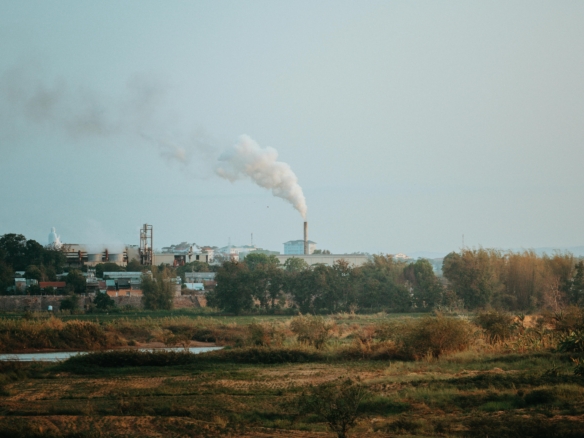
- Rising Environmental Concerns: Air pollution, traffic emissions, and urban heat have reached critical levels, prompting a push for green infrastructure.
- Informed Buyers: Modern homeowners, especially millennials and NRIs, now value eco-friendly design, energy savings, and health-oriented communities over sheer luxury.
- Government Regulations: Green building codes, RERA guidelines, and Haryana’s new eco-urban planning policies incentivize developers to go sustainable.
- Corporate ESG Mandates: Multinationals leasing offices in Gurgaon prefer LEED-certified, energy-efficient buildings to align with global sustainability goals.
These dynamics are collectively transforming Gurgaon from a concrete jungle into a smart, sustainable city-in-progress.
Green Architecture: The New Design Language
Modern real estate projects in Gurgaon are increasingly adopting green architectural principles. Developers are focusing on designs that minimize environmental impact while maximizing comfort and resource efficiency.
Some of the leading trends include:
- Passive Cooling and Natural Lighting: Buildings designed to reduce air conditioning and lighting costs.
- Vertical Gardens and Green Roofs: Enhancing insulation while combating urban heat.
- Rainwater Harvesting Systems: Mandatory in most new projects, helping recharge groundwater.
- Solar Power Integration: Rooftop panels for energy independence and cost efficiency.
- Use of Recycled and Locally Sourced Materials: Lowering carbon footprint during construction.
These design elements are not just environmentally friendly — they also add long-term financial value by reducing maintenance and utility costs.
Sustainable Townships: The Future of Urban Living
Beyond individual buildings, Gurgaon’s real estate is moving toward sustainable township development — self-contained communities that integrate housing, workspaces, and leisure with green mobility and low environmental impact.
Examples include:
- Pedestrian-Friendly Layouts: Encouraging walking and cycling instead of car dependency.
- Energy-Efficient Street Lighting: Using motion sensors and solar LEDs.
- Waste Management Systems: On-site composting and recycling units.
- EV Charging Infrastructure: Electric vehicle readiness becoming standard across premium projects.
These features are redefining what it means to live “luxuriously” — not through excess, but through balance and sustainability.
Gurgaon’s Green Commercial Revolution
Sustainability isn’t limited to residential real estate — the commercial sector is equally transforming.
- LEED and IGBC-Certified Offices: Gurgaon now has one of the highest densities of certified green office spaces in India.
- Energy-Efficient HVAC Systems: Modern towers use intelligent building management systems to optimize air quality and power use.
- Corporate Sustainability Integration: Global firms like Deloitte, EY, and Google prefer eco-certified spaces for employee wellness and ESG compliance.
- Reduced Carbon Footprint: Smart glass façades and daylight optimization lower electricity demand by up to 30%.
This green shift is making Gurgaon a global benchmark for sustainable corporate infrastructure.
Impact on Real Estate Value and Demand
Sustainability has become a major value differentiator in Gurgaon’s real estate market.
- Higher Demand: Eco-certified homes and offices are seeing 20–25% faster absorption rates than traditional projects.
- Premium Pricing: Buyers are willing to pay a 10–15% premium for energy-efficient, health-conscious housing.
- Lower Operational Costs: Green buildings can reduce maintenance and utility bills by up to


Join The Discussion